











































































































































































































































































































































































HURRIED CHILD SYNDROME
When busy becomes too much: The story of overbooked kids
BY JOYCELYNE FADOJUTIMI
It’s 6:45 p.m. on a Tuesday, and the Johnson family minivan pulls into the driveway. Inside are two exhausted kids, one with a cello case and the other clutching a soccer ball. Dinner will have to wait — there’s still homework to finish before bedtime. Sound familiar?
In today’s world of endless opportunity, parents want their children to succeed — to thrive now and build a strong foundation for the future. It’s a noble goal. But somewhere between tutoring sessions, travel teams, music lessons, and volunteer work, family life can start to feel less like a cozy home and more like a
revolving door.

Experts have started calling this trend “tiger parenting” or “concerted cultivation.” These styles, often found in middle-class families, focus on filling every waking hour with structured activities that promise growth, skill, and success.
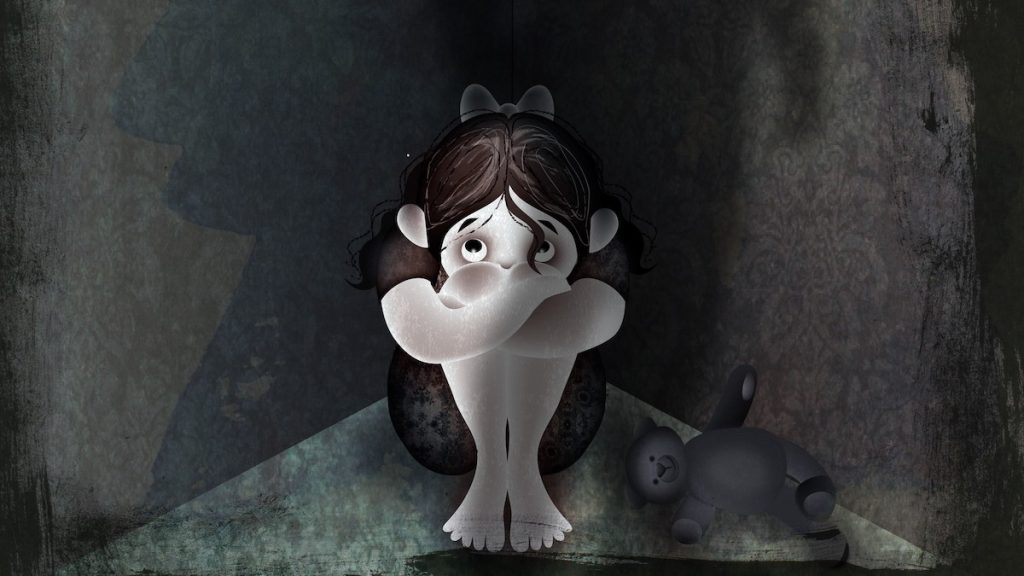
However, research is starting to reveal the hidden price of overpacked schedules which includes: stress, anxiety, and lost opportunities for kids to simply be kids.
According to the American Academy of Pediatrics, children’s free playtime has dropped by about 25% since the early 1980s, while time spent in structured sports and academic programs continues to climb. Moreover, developmental psychologist David Elkind even coined a name for this phenomenon — Hurried Child Syndrome — describing the way kids are being nudged (or shoved) into growing up too fast.
And it’s not just lost play that’s concerning. Studies show that children who spend more time in unstructured play actually get better at setting and achieving their own goals.
Meanwhile, kids who are always told what to do and when to do it can struggle later on with time management and problem-solving. More troubling still, pressure to achieve good grades remains the number one cause of stress among teens, according to the Pew Research Center. Sixty-one percent say they feel intense pressure to perform academically. When a child’s sense of self-worth becomes tied too tightly to how they perform — in school, on the field, or on stage — failure can feel devastating.
A 2024 data analysis by Solution Health discovered another important clue: children with jam-packed enrichment schedules are more prone to anxiety, anger, and depression than their peers with fewer commitments. It seems that when every minute is scheduled, rest and creativity fall by the wayside — along with sleep and family dinners.
So, what can families do?

Experts recommend flipping the focus from quantity to quality. Choose the activities your child loves most, and protect time for free play, imaginative daydreaming, and quiet connection. Every child has a different threshold for how much is too much, and parents are the best gauges of when their little ones are burning out.
Sometimes, the best opportunity we can give our children isn’t another activity —it’s the gift of time. Time to rest, to play in the backyard, to get bored and invent something new. Since childhood isn’t just a steppingstone to the future -It’s a chapter meant to be lived fully — not scheduled out of existence.